A Cinematic Crossroads: Colleen Camp and the Shifting Sands of Filmmaking
Colleen Camp's career, spanning both the 1970s and 1980s, provides a compelling lens through which to examine the dramatic transformations in filmmaking during this pivotal period. By comparing her roles in Death Game (1977) and Clue (1985), we uncover significant shifts in genre conventions, production values, target audiences, distribution strategies, and directorial approaches. This comparative analysis reveals how technological advancements and evolving industry practices profoundly impacted cinematic aesthetics and storytelling.
Genre Conventions: From Gritty Realism to Whimsical Comedy
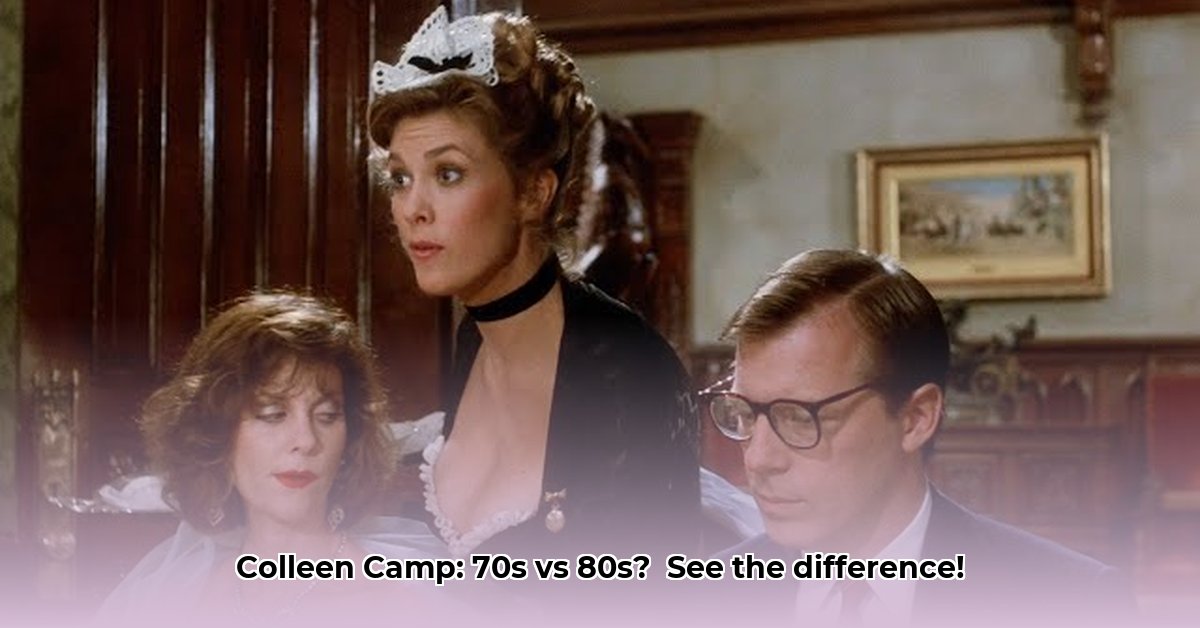
Death Game, a 1977 psychological thriller, embodies the grittier, more realistic aesthetic often associated with independent films of that era. Its exploration of unsettling psychological themes contrasts sharply with the lighthearted, self-aware comedic approach of Clue (1985). Clue, a Paramount Pictures production, embraces the conventions of the comedic mystery, featuring witty dialogue and over-the-top characters in a playful subversion of genre tropes. This stark contrast highlights the diversifying landscape of cinematic storytelling. What techniques did each film use to engage its intended audience within the specific parameters of its chosen genre?
Production Values and Aesthetics: Budgetary Constraints and Technological Advancements
The disparity in production values between the two films is striking. Clue's major studio backing resulted in polished visuals, elaborate sets, and meticulously crafted costumes, reflecting the higher budgets available to mainstream productions. Death Game, produced independently, exhibits a more raw aesthetic, limited by budgetary constraints and the technological limitations of the time. The recent 4K restoration of Death Game allows for a sharper appreciation of these differences, even highlighting the film’s inherent limitations while simultaneously preserving this historical artifact. How did these budgetary differences affect the overall cinematic impact of each film?
Target Audience and Marketing: Mass Appeal vs. Niche Focus
Clue's broad comedic appeal targeted a wide audience, while Death Game's darker themes and mature content catered to a more niche market. These differences extended to marketing and distribution strategies, with Clue benefiting from the expansive reach of a major studio release and Death Game facing inherent challenges in reaching a broader audience through independent distribution channels. How did the marketing strategies reflect the target audience and the overall genre of each film?
Distribution and Preservation: Studio Power vs. Independent Struggle
The contrasting distribution models further exemplify the disparities between the two films. Clue's wide theatrical release solidified its place in popular culture, ensuring its accessibility and longevity. In contrast, Death Game's independent release caused significant challenges in preservation and subsequent access. This disparity underscores the unequal resources and opportunities available to independent filmmakers compared to those working within the studio system. What does this tell us about the potential long-term challenges of preserving independent films?
Directorial Style and Narrative Techniques: A Visible Hand vs. An Unseen Influence
Jonathan Lynn's direction of Clue is apparent in the film's masterful comedic timing and ensemble cast synergy. The available information on the director of Death Game, however, is limited, reflecting the challenges of researching independent films from that era. Even the scarcity of information provides valuable insight into the landscape of independent filmmaking in the 1970s. Does the lack of readily available information about the director of Death Game affect our overall interpretation of the film?
Conclusion: A Reflection of Cinematic Evolution
The comparison of Clue and Death Game, viewed through the lens of Colleen Camp's career, reveals a significant shift in filmmaking approaches during a period of rapid technological advancement and evolving industry practices. The differences in genre, production values, target audiences, distribution models, and directorial styles showcase not only the evolving cinematic landscape, but also the disparities between mainstream and independent film production. Examining these contrasts provides a valuable insight into film history and the challenges of preserving and accessing films from different eras.
(Optional) Appendix: Researching Independent Films of the 1970s
Researching independent films from the 1970s presents unique challenges, including limited archival materials, inconsistent documentation, and the difficulties in tracking down key personnel involved in production. This necessitates a multi-pronged research approach, utilizing various archival sources, online databases (such as the Grindhouse Database), and potentially contacting film historians and collectors specializing in such films. This process highlights the importance of collaborative preservation efforts for securing the historical record of independent cinema.
⭐⭐⭐⭐☆ (4.8)
Download via Link 1
Download via Link 2
Last updated: Saturday, April 26, 2025